
"UK colonial coffee trade"
70 article(s) found

Fine coffee Rwanda coffee producing area Western Province Lutexiluo producing area
Rwandans have been growing coffee since colonial times, but until 1999, the product was classified as below grade C and was not available on the global market. The reason for the poor quality is that farmers do not have a fixed procedure for cleaning coffee beans, and they do not process coffee fruits according to specifications in time. Buyers pay $0.33 a kilo for coffee beans, farmers keep warm on meager profits from low prices

Fine coffee Rwanda coffee treatment method washing, elevated scaffolding sun drying
Rwandans have been growing coffee since colonial times, but until 1999, its products were still classified as below Class C and were not popular in the global market. The reason for the poor quality is that farmers do not have a fixed procedure for washing coffee beans and do not process coffee fruits according to specifications in time. Buyers buy coffee beans at $0.33 per kilogram, and farmers keep warm by the meagre profits earned at low prices.
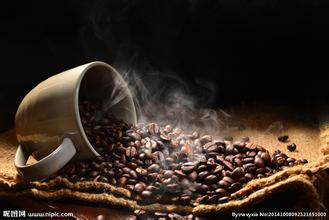
Rwanda Coffee Plantation Rwanda Coffee Region
Rwandans have been growing coffee since colonial times, but until 1999, the product was classified as below grade C and was not available on the global market. The reason for the poor quality is that farmers do not have a fixed procedure for cleaning coffee beans, and they do not process coffee fruits according to specifications in time. Buyers pay $0.33 a kilo for coffee beans, farmers keep warm on the meager margins they earn at low prices

The Origin of Coffee in the Consulate of Kashgar, Xinjiang
Catherine Martney, wife of the British Consul General in Kashgar, Kashgar, is a brave English woman who has lived here with her husband for 17 years. In 1931, she wrote "the memory of a diplomat's wife to Kashgar" affectionately and in a delicate and warm tone. In 1898, an ordinary woman as far away as Great Britain

Difference, distinction and award-winning situation of Kenyan coffee beans how much is a cup of Kenyan coffee beans
Professional baristas Please follow the Coffee Workshop (Wechat official account cafe_style) differences, distinctions and awards for individual beans of Kenyan coffee took place in the Mau Mau Uprising uprising in 1956-60, which brought the control of most of the arable land back to indigenous peoples. Coffee farms are mostly small-scale operations with an annual output of hundreds of kilograms. They will decide according to the delivery distance and the purchase price.

About St. Helena Coffee, one of the most expensive coffee in the world, about $79 per pound
About St. Helena Coffee St Helena Coffee about St. Helena Coffee St. Helena Island (The Island of St Helena) is located in the South Atlantic Ocean at latitude 16 south and longitude 545 west. It covers an area of 47 square miles along the path of the southeast trade wind. It is a small island with a mountainous and subtropical climate. The remote location preserves the purest ecological ring of St. Helena Island.
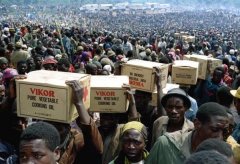
Introduction to the origin of coffee-"Rwanda, Burundi" of the African Department
For the exchange of professional baristas, please follow the coffee workshop (Wechat official account cafe_style) today to introduce the five East African countries, and then introduce the coffee from the five East African countries individually. In 2015, five East African Communities, including Kenya, Tanzania, Burundi, Rwanda and Uganda, proposed that five countries be merged into a federal state, using a common constitution, president, parliament and goods.

Long aftertaste of boutique coffee beans in Kimmel Manor, Rwanda, geographical location, climate, altitude
Starbucks, the world's largest coffee and beverage retailer, has also partnered with the Rwandan government to import Rwanda coffee, just as a brown pigeon flies from its cup against the line of the Cup of Hope. Indeed, coffee places the hopes of the people of Rwanda. They hope to increase coffee exports to boost the national economy.
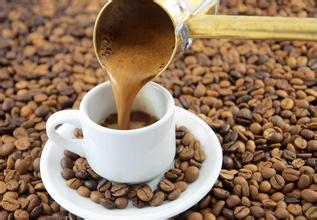
Boutique coffee Rwanda coffee origin Rwanda coffee practice
Rwandans have been growing coffee since colonial times, but until 1999, its products were still classified as below Class C and were not popular in the global market. The reason for the poor quality is that farmers do not have a fixed procedure for washing coffee beans and do not process coffee fruits according to specifications in time. Buyers buy coffee beans at $0.33 per kilogram, and farmers keep warm by the meagre profits earned at low prices.
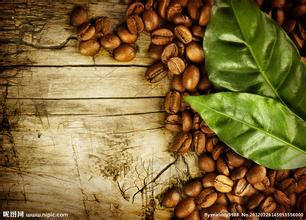
Boutique Coffee Rwanda Coffee Manor 1756 members small farmers
Rwandans have been growing coffee since colonial times, but until 1999, its products were still classified as below Class C and were not popular in the global market. The reason for the poor quality is that farmers do not have a fixed procedure for washing coffee beans and do not process coffee fruits according to specifications in time. Buyers buy coffee beans at $0.33 per kilogram, and farmers keep warm by the meagre profits earned at low prices.
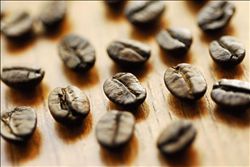
Fine coffee Rwanda Coffee introduces the characteristics of Rwanda Coffee
Rwandans have been growing coffee since colonial times, but until 1999, its products were still classified as below Class C and were not popular in the global market. The reason for the poor quality is that farmers do not have a fixed procedure for washing coffee beans and do not process coffee fruits according to specifications in time. Buyers buy coffee beans at $0.33 per kilogram, and farmers keep warm by the meagre profits earned at low prices.

Boutique coffee Rwanda coffee flavor red apple, cherry, cinnamon, honey
Rwandans have been growing coffee since colonial times, but until 1999, its products were still classified as below Class C and were not popular in the global market. The reason for the poor quality is that farmers do not have a fixed procedure for washing coffee beans and do not process coffee fruits according to specifications in time. Buyers buy coffee beans at $0.33 per kilogram, and farmers keep warm by the meagre profits earned at low prices.
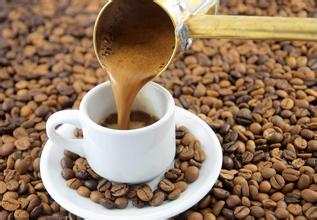
Boutique coffee Rwanda coffee producing area in the western province of Lutexilo
Rwandans have been growing coffee since colonial times, but until 1999, its products were still classified as below Class C and were not popular in the global market. The reason for the poor quality is that farmers do not have a fixed procedure for washing coffee beans and do not process coffee fruits according to specifications in time. Buyers buy coffee beans at $0.33 per kilogram, and farmers keep warm by the meagre profits earned at low prices.

Fine coffee Rwanda coffee processing method Processing method Washing, elevated shelf drying
Rwandans have been growing coffee since colonial times, but until 1999, the product was classified as below grade C and was not available on the global market. The reason for the poor quality is that farmers do not have a fixed procedure for cleaning coffee beans, and they do not process coffee fruits according to specifications in time. Buyers pay $0.33 a kilo for coffee beans, farmers keep warm on the meager margins they earn at low prices

High-quality coffee beans from Africa and Rwanda in the world.
Rwanda Coffee Global Coffee producer-since the 1920s in Rwanda, Arabica coffee grown in Rwanda (Rwanda) has been famous for its unique fruit sweetness and strong grass aroma. In recent years, the Rwandan government has taken positive measures to vigorously promote coffee production, set up coffee production cooperatives in various places, and give technical guidance and financial support to farmers.

The Discovery of Coffee and the Coffee Culture of Coffee all over the World
The Discovery and spread of Coffee how was coffee discovered? When people taste mellow coffee, they can't help but ask such questions. According to Roth de Neroy, a Roman linguist, around the sixth century AD, an Arab shepherd named Caldai was very excited and excited to see every goat when he went to graze on the grasslands of Ethiopia. It made him
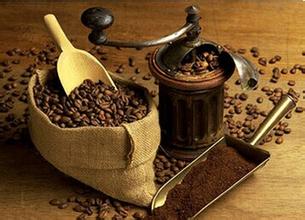
World Coffee Science: understanding the Historical and Cultural Source of World Coffee Coffee must see the knowledge points
The Discovery and spread of Coffee how was coffee discovered? When people taste mellow coffee, they can't help but ask such questions. According to Roth de Neroy, a Roman linguist, around the sixth century AD, an Arab shepherd named Caldai was very excited and excited to see every goat when he went to graze on the grasslands of Ethiopia. It made him

Coffee Culture of Coffee all over the World
The Discovery and spread of Coffee how was coffee discovered? When people taste mellow coffee, they can't help but ask such questions.
The spread of Coffee Coffee Culture of Coffee all over the World
The Discovery and spread of Coffee how was coffee discovered? When people taste mellow coffee, they can't help but ask such questions. According to Roth de Neroy, a Roman linguist, around the sixth century AD, an Arab shepherd named Caldai was very excited and excited to see every goat when he went to graze on the grasslands of Ethiopia. It made him
Rwanda Coffee
Global coffee producing area-since the 1920s, Rwanda Arabica coffee grown in Rwanda has been famous for its unique fruit sweetness and rich grass aroma. In recent years, the government of Rwanda has taken positive measures to vigorously promote coffee production, set up coffee production cooperatives in various places, and give technical guidance and financial support to farmers, so that coffee production can be achieved.